


By Joanne Adamidou MS, Registered Dietitian, Biologist and Dietetics Academic Program Leader, Metropolitan College, Thessaloniki – Greece
And George Velissariou, 2nd year Dietetics student, Metropolitan College, Thessaloniki – Greece
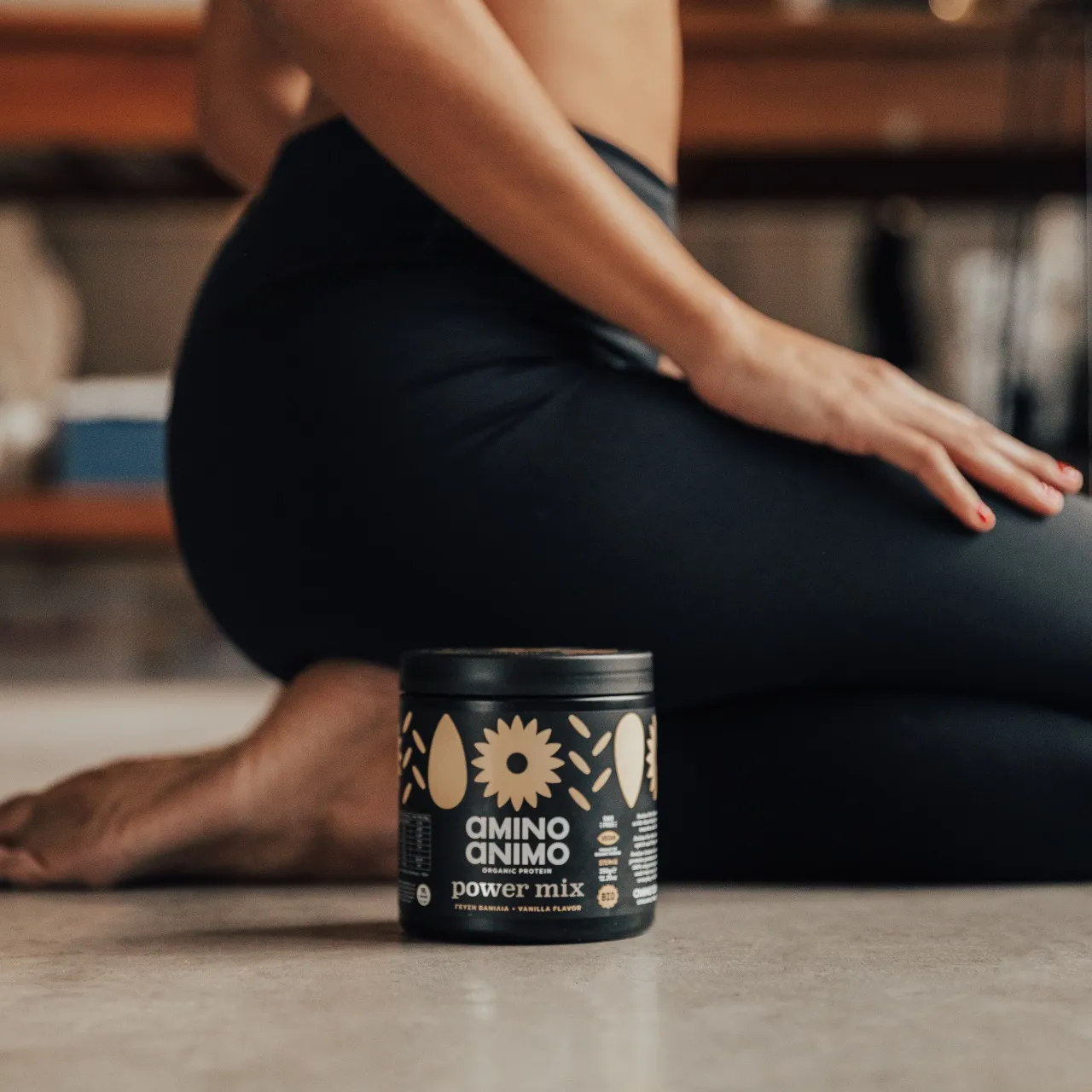
Protein powder supplements have earned a well-deserved place in the daily lives of athletes and fitness enthusiasts alike, who wish to boost their nutrition regime. We often wonder when is the best time of day to consume our protein scoop? Protein timing can potentially impact your desired results, whether it’s muscle recovery, muscle gain or weight loss.
PROTEIN: HOW DOES IT HELP?
Protein is one of the three macronutrients (along with carbohydrates and fats) that participates in:
- the structure of cells and tissues, including non-muscle tissues (connective tissue, bones).
- metabolism regulation.
- the maintenance and growth of muscle mass.
- the proper functioning of hormones and the immune system.
- muscle recovery post-workout.
Foods rich in protein are red meat and poultry, fish and seafood, eggs, legumes and dairy products, soy, quinoa, nuts and seeds, and therefore tahini, peanut butter and nut butters. Protein powder is made from sources such as milk (whey and casein), rice, peas, almonds, sunflower seeds, pumpkin, hemp or other plant-based ingredients, and is used to boost protein intake throughout the day. Scientific recommendations encourage a variety of plant-based protein sources in the daily diet.
PROTEIN SUPPLEMENT FOR NON-ATHLETES: ROLE IN HEALTH
In addition to athletes and sportspeople who train on a regular basis, incorporating protein powder into the daily diet can be beneficial for the elderly with reduced muscle mass or with dysphagia and any kind of difficulty in eating, for diabetics under medication that causes rapid loss of muscle mass as a side effect, for people attempting to lose weight, as well as for those fasting or following a vegetarian or vegan diet which naturally involves zero or limited animal protein intake.
WHAT TIME IS BEST TO CONSUME MY PROTEIN SCOOP?
Although the total daily amount of protein is important and starts at 0.8 g per kg of body weight (BW) as a recommendation for the general public, the timing of protein intake affects its effectiveness, and should be determined by the nutritionist according to the needs, dietary specificities and goals of each individual.
Long-term research data demonstrate that we benefit from the maximum anabolic benefits of strength training only by ingesting sufficient protein at the appropriate time based on the goal to be achieved, which individually can be:
- Muscle growth, hypertrophy: 1.6-2.2 g protein / kg BW daily, properly divided into the daily meals and snacks, including high biological value protein based on taste preferences and surely (but not exclusively) within the 30-60min anabolic window post-workout. Consuming protein before bedtime increases the availability of amino acids during the night, helping enhance muscle protein synthesis (MPS). In this way, muscle recovery and the desired training adaptation are enhanced, obviously given the existence of a resistance training program that plays the main and primary role in achieving muscle mass growth.
- Weight loss: 1.2-2 g protein / kg BW daily, well-structured across all main meals of the day including high biological value protein for nutrition and satiety, possibly also incorporated in the snacks depending on the caloric margin that individually exists and is clarified by the nutritionist. Athletes and active exercisers attempting weight loss / fat loss will aim for the upper limit to support metabolic adaptation, repair and remodeling, but also to prevent loss of lean mass based on research.
- Muscle recovery: 1.6-2.2 g protein / kg of the athlete’s BW (i.e. with a long-hour training program daily) or 1.2-2 g protein / kg BW daily for the general public (who exercise 3-4 times a week on average), throughout the 24 hours that follow, and not solely in the 30-60min anabolic window post-workout, with an emphasis on the meal before bedtime. This is because during sleep, the body recovers from the muscle strain caused by intense training, protein synthesis is enhanced and it is the most critical phase of recovery.
Nutritional ideas are endless on how you may incorporate your protein scoop in addition to dietary sources of protein, such as in a breakfast smoothie or porridge that gives extra energy, promotes satiety, enhances concentration and facilitates breakfast consumption before exercise, especially in sports that have early-morning training, especially in water, as is the case in swimming and aquatics in general.
Protein should not be approached in isolation but within the framework of a balanced dietary plan with sufficient energy consumption especially from carbohydrates in order to correspond to energy expenditure, so that amino acids are saved for protein synthesis and not oxidized, which also demonstrates the key role of a nutritionist’s guidance in the direction of a healthy body composition, addressing nutritional challenges and optimal athletic performance.
REFERENCES
Academy of Nutrition and Dietetics, Dietitians of Canada, and the American College of Sports Medicine Joint Position Statement (2016) Nutrition and Athletic Performance. Med Sci Sports Exerc, 48 (3): 543-68. https://journals.lww.com/acsm-msse/fulltext/2016/03000/nutrition_and_athletic_performance.25.aspx
Arnaoutis G. (2024) Navigating Nutritional Challenges on the Way to Maximum Athletic Performance. Nutrients, 16 (24): 4385. https://doi.org/10.3390/nu16244385
ISSA – Protein timing: What is it, and does it work? https://www.issaonline.com/blog/post/best-time-to-consume-protein
Kerksick, et al, (2017). International Society of Sports Nutrition Position Stand: Nutrient timing. https://pubmed.ncbi.nlm.nih.gov/28919842/
MI Blue Daily, Jake Newby (2025) Are There Benefits to Eating Protein Before Bed? https://www.bcbsm.mibluedaily.com/stories/health-and-wellness/are-there-benefits-to-eating-protein-before-bed
USADA – Food-first fueling: When to consume protein for maximum muscle growth https://www.usada.org/spirit-of-sport/when-consume-protein-muscle-growth/